
Your no-BS guide to what’s really happening in sustainable fashion
Hey fashion friends! Here’s your first edition of The Susty Scoop. If we’re going to save the planet, we need to know what’s actually working, spoiler, not as much as we’d hope, and what’s just fancy greenwashing dressed up in hemp clothing.
The last few weeks have been a whirlwind of highs, lows, and “are you kidding me?” moments in the sustainable fashion world. So grab your reusable coffee cup and let’s dive into the good, the bad, and the downright ugly of what’s happening in our industry.
The Runway Reality (The Good-ish)

Let’s start with some wins, because we need them. New York Fashion Week announced it’s banning fur from its runways starting September 2026, joining London, Copenhagen, and other major fashion capitals that have already moved in that direction. Even Rick Owens dropped fur after sustained pressure from protesters. Progress? Absolutely. Revolutionary? Not exactly, considering we’ve been wearing dead animals for centuries and only recently decided that might be a problem.
The UK Fashion & Textile Association also launched its Sustainability 101 initiative, which, frankly, feels overdue. Basic environmental literacy shouldn’t be optional in an industry responsible for massive global pollution.
A Full-Circle (and Complicated) Moment at ASU FIDM
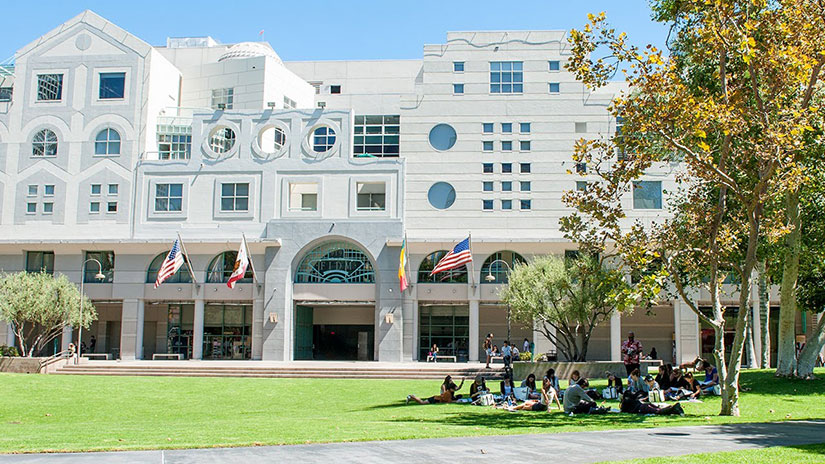
My alma mater, ASU FIDM, just hosted a conference on creating an eco-friendly, sustainable future for fashion. Los Angeles Downtown News covered how they brought together industry leaders, students, and innovators to tackle textile waste, ethical labor, and the deeper structural issues baked into the fashion system. On paper, this is exactly the kind of work fashion schools should be doing.
It’s also why I chose FIDM in the first place, long before it merged with Arizona State University. Sustainability wasn’t as buzzy back then, but FIDM was one of the few schools that at least acknowledged fashion’s environmental and ethical impact. That shaped how I see this industry, and honestly, my responsibility within it.
But watching from the sidelines hasn’t been simple.
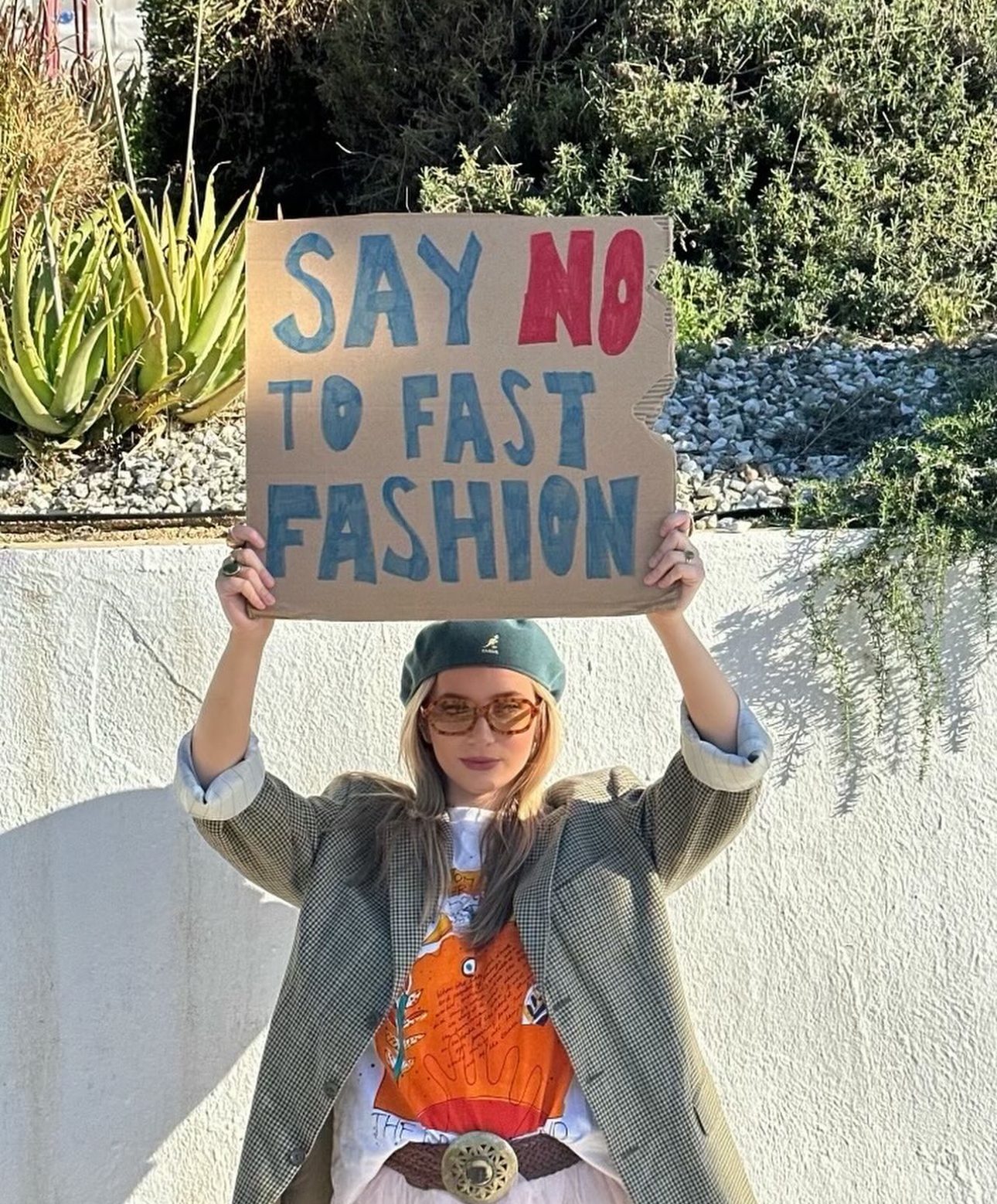
In 2023, when FIDM partnered with SHEIN on a scholarship program, it felt like a gut punch. This was a school that taught design ethics aligning itself with a brand accused of labor violations, design theft, and extreme overproduction. I started a Change.org petition. Other students protested too. The backlash made national headlines, and for good reason. It wasn’t performative outrage, it was students demanding their education align with the values they were being taught.
What followed mattered.
FIDM ultimately met with students and committed to giving them a voice in future partnerships, drawing clearer boundaries around collaborations that don’t align with the future they claim to be building. It didn’t erase the decision, but it showed that pressure works and that institutions can be pushed to do better.
Context matters here too. FIDM was facing real financial strain, accreditation warnings, campus closures, and ultimately a merger to survive. In that environment, partnerships like the SHEIN collaboration were framed as a way to fund student scholarships and provide real-world design opportunities, especially for students who might not otherwise have access. I understand that institutions don’t operate in ideal conditions. Survival decisions are often messy, uncomfortable, and contradictory. That doesn’t make them painless, but it does make accountability even more important.
So yes, I’m genuinely glad to see ASU FIDM hosting sustainability-focused conferences now and positioning itself as a hub for these conversations. But I’m also clear-eyed. Progress isn’t linear, and institutions don’t magically become ethical because they host a panel.
What gives me hope isn’t perfection, it’s evolution.
They’re not just teaching students how to design clothes anymore. They’re being forced, by students and by reality, to reckon with how the industry itself needs to be redesigned. When the place that taught you how to create is also learning how to create responsibly, that’s not a PR win, it’s a sign that real change is being wrestled with in real time.
And honestly? That tension is exactly where progress lives.
The Wardrobe Warnings (The Bad)
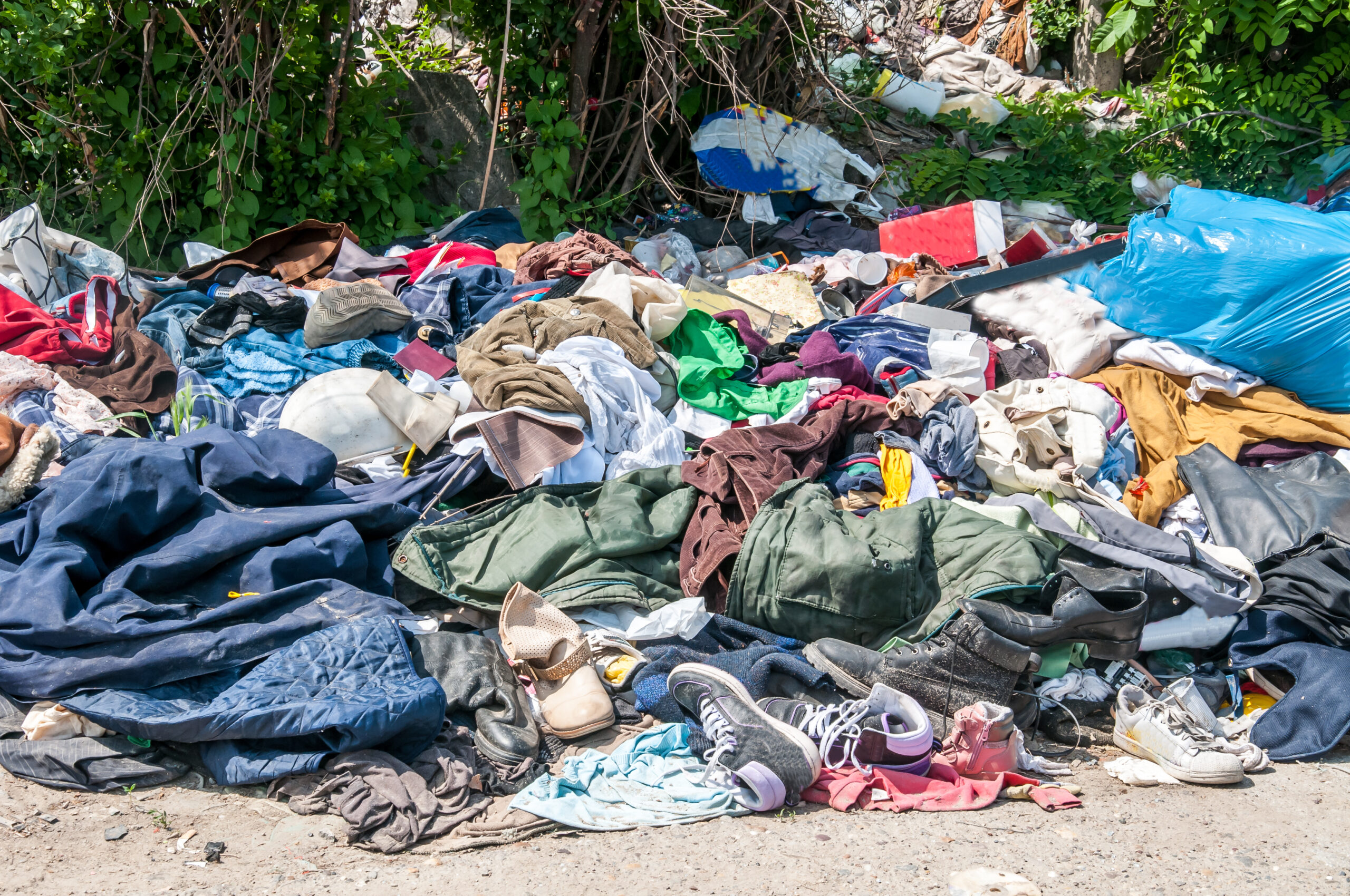
Now for the reality check. Europe’s kidswear waste crisis is exploding. We’re flooding children’s wardrobes with polyester before they can even spell “microplastics.” And while the circular fashion market is projected to reach $15.78 billion, fast fashion still grew by 10.74% in 2024. So yes, “solutions” are growing, but so is the problem.
The greenwashing situation? Full villain origin story. SHEIN was fined $1.15 million in Italy for misleading sustainability claims, which is basically pocket change for them. Zara releases hundreds of new styles each week and produces hundreds of millions of garments annually. Critics argue that this scale of production fundamentally conflicts with sustainability claims, even when a subset of products is marketed under labels like “Join Life.”
More than half of 65 major fashion brands have pledged to cut emissions by 2030, but virtually none explain how those targets will impact the workers in their supply chains. Apparently saving the planet doesn’t include saving the people making our clothes.
The Fashion Frauds (The Ugly)
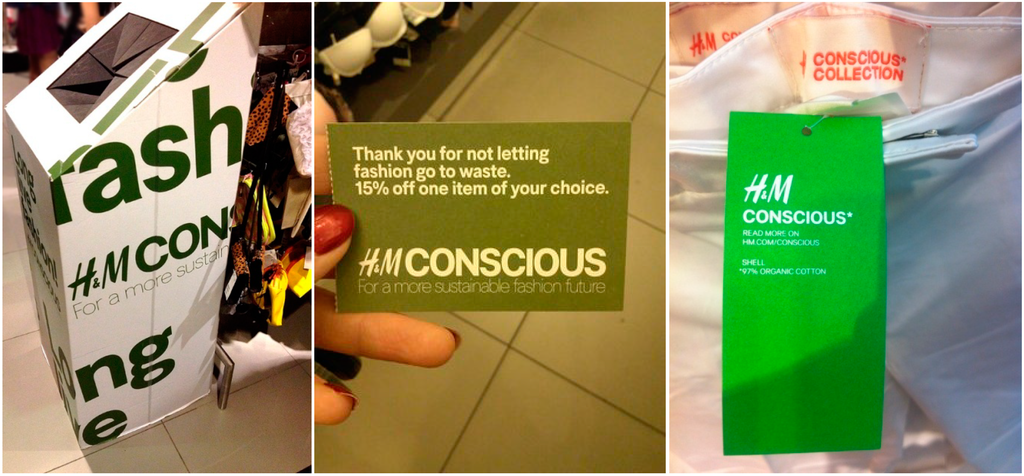

The ugly truth? Around 60% of sustainability claims from major high-street brands are misleading, with H&M clocking an almost unbelievable 96% rate of false or exaggerated claims. Let that sink in. Nearly everything they say about sustainability is designed to confuse you.
Brands are now rolling out AI-generated models to avoid hiring real people. Nothing screams “ethical” like removing human labor from the equation altogether.
And even the so-called “good guys” aren’t immune. Climate researchers, sustainability watchdogs, and fashion journalists have criticized Patagonia, not because it’s the worst offender, but because being “less bad” in an industry built on constant production still isn’t the same as being good. Many of these experts argue that the idea we can shop our way out of the climate crisis shifts responsibility onto consumers and distracts from the real issue, overproduction. That myth may be the fashion industry’s biggest fraud of all.
The Silver Linings (Because We Need Hope)

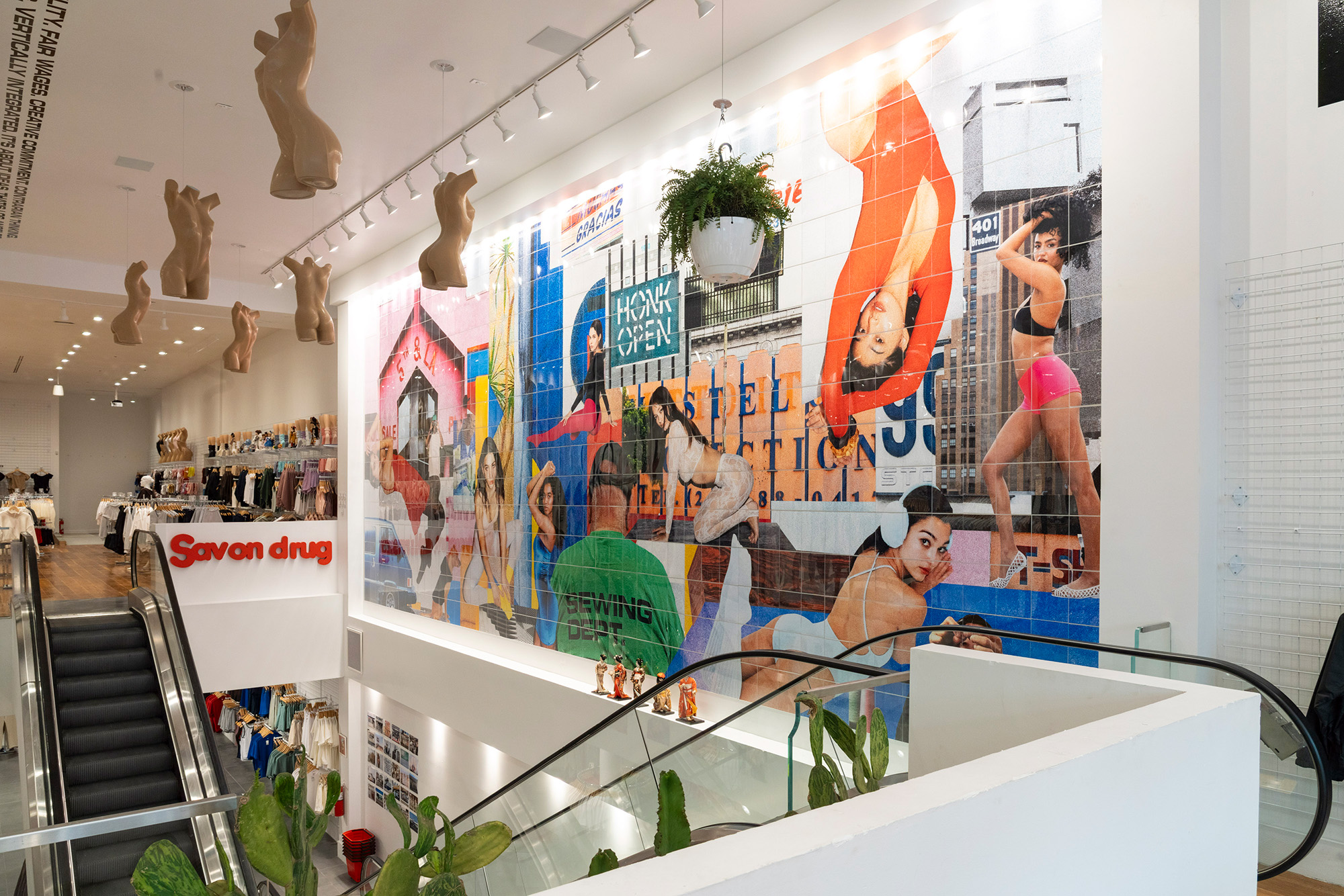

There are real bright spots. Sweden just opened what’s being called the world’s first truly sustainable shopping mall. And yes, it’s stunning. Living walls, renewable energy, zero-waste restaurants, repair cafés, clothing swaps. Proof that sustainability doesn’t have to look beige and boring.
Pirarucu leather cowboy boots are supporting sustainable fisheries in the Amazon. Major companies like Nike, IKEA, and BMW are investing in next-generation natural fibers. In India, designer Itishree Sahoo has been empowering communities through ethical fashion since 1997.
France has banned PFAS in products where alternatives exist, and Nike has finally begun compensating garment workers more fairly. Only took decades of activism, but we’ll take the win.
What This Means for Your Closet
2026 is shaping up to be a turning point. With the EU’s Digital Product Passport rolling out, brands will be required to disclose far more about their supply chains. No more hiding behind vague “conscious” collections.
The real fashion trend for 2026? Self-expression over trends, maximalism over quiet luxury, and wearing what actually reflects you, not what an algorithm tells you to buy.
My advice: stop looking for perfect sustainable brands. They don’t exist. Buy less. Choose better. Love what you own longer. And yes, rent, borrow and then donate.
The Real Talk
The best sustainable fashion choice? The clothes already in your closet.
The second best? Thrifted, swapped, or borrowed.
Everything else is just varying degrees of “less bad.”
The fashion industry wants us to believe we can consume our way to sustainability. We can’t. But we can demand transparency, support genuinely ethical brands, and change our relationship with clothing entirely.
Remember: every time a brand uses the word “conscious” in their marketing, a microplastic gets its wings.
Stay sustainable (and skeptical),
Please follow me for more information on sustainability.
You can email me at LexySilverstein@gmail.com
Related Posts