
What Fashion Isn’t Telling You Yet
You’ve probably seen the videos: a brand representative digging a hole in their backyard, burying a T-shirt, and promising it’ll decompose into nothing. Six months later, they dig it up and it’s gone. Proof, right? Not quite.
Sustainable fashion TikTok and Instagram are full of these claims right now. Brands call their clothes “compostable,” “biodegradable,” or “made to return to the earth.” The videos of fabric breaking down in soil make it look legitimate. The problem is that most clothing labeled this way is not safe or realistic to compost at home, and fashion brands don’t always make that clear.
This isn’t about calling out small brands trying to do better. It’s about understanding what composting actually means, why clothing is more complicated than food scraps, and how to avoid turning good intentions into contaminated soil.
You’ve probably seen the videos: a brand representative digging a hole in their backyard, burying a T-shirt, and promising it’ll decompose into nothing. Six months later, they dig it up and it’s gone. Proof, right? Not quite.”
The Compost Confusion: What’s Really Happening on Your Feed
If you’ve spent any time on sustainable fashion TikTok or Instagram lately, you’ve probably seen it: a brand claiming their clothes are “compostable,” “biodegradable,” or “made to return to the earth.” Sometimes there’s even a video of fabric breaking down in soil, which makes it feel pretty convincing.
But here’s the uncomfortable truth: most clothing labeled as compostable is not safe or realistic to compost at home and fashion doesn’t always make that clear.
This isn’t about calling out small brands trying to do better. It’s about understanding what composting actually means, why clothing is more complicated than food scraps, and how to avoid turning good intentions into contaminated soil.
What “Compostable Clothing” Is Supposed to Mean
In theory, compostable clothing should break down fully into natural elements, without leaving behind toxic residues, microplastics, or synthetic fibers. In practice, that’s… rare.
Most garments marketed as compostable fall into one of three categories:
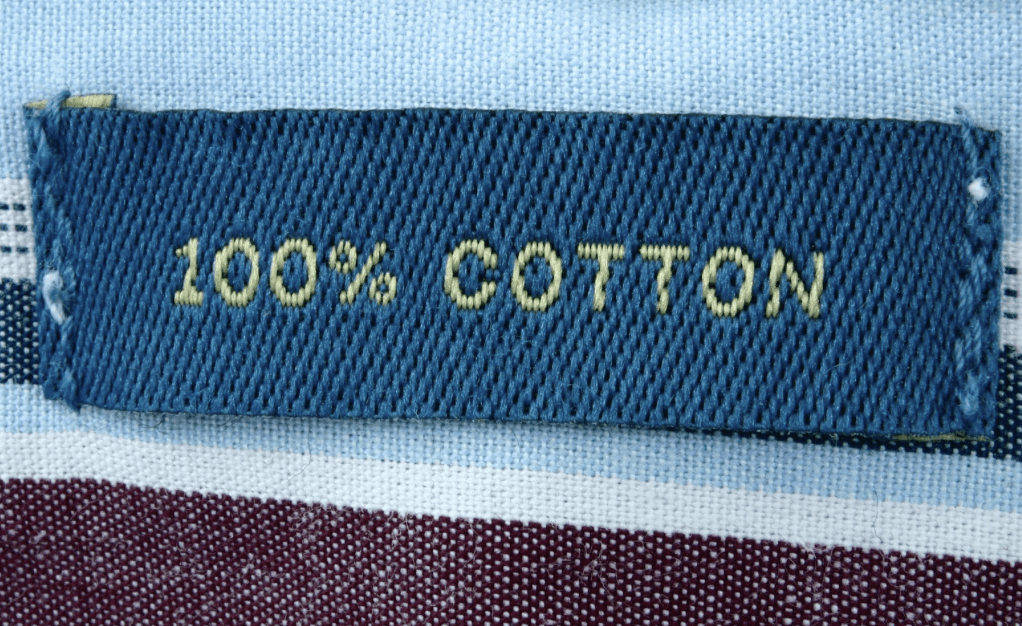
- Natural fiber clothing (cotton, linen, wool)
- Bio-based or bioplastic materials – plant based fibers (cornstarch, sugarcane, or wood pulp)
- Lab-tested compostable textiles designed for industrial composting (Bananatex, Candiani Denim, Kelp-based Fibers)
The problem is that these categories are often blurred in marketing, even though they behave very differently in real-world compost systems.
Why Home Composting Clothing Is So Tricky
Home composting is a low-temperature, slow biological process. That works great for food scraps and yard waste, but clothing introduces a lot of complications.
Dyes and finishes are the biggest issue. Even garments made from 100% natural fibers are usually dyed, treated for colorfastness, or finished with chemicals that are not designed to biodegrade safely in backyard compost. Many textile dyes contain heavy metals or synthetic compounds that can linger in soil.
Blends are almost impossible to compost. A shirt labeled “mostly cotton” often contains elastane, polyester thread, or synthetic stitching. Those blended fibers do not break down naturally and can leave microplastic fragments behind.
Buttons, labels, and seams matter. Zippers, thread, tags, interfacing, and elastic are rarely compostable, even when the main fabric is. Removing every non-biodegradable component is time-consuming and often unrealistic.
Industrial Composting vs Home Composting (Not the Same Thing)
This is where a lot of greenwashing happens. Sustainability claims that sound good, but don’t hold up outside controlled conditions.
Some garments are tested for industrial composting, which happens in specialized facilities with high heat and controlled conditions. Home composting is much slower and lower-temperature, so a garment labeled “compostable” may not break down safely in your backyard at all.
Industrial composting facilities can reach temperatures above 130°F, which allows them to break down certain bioplastics and treated fibers that home compost piles simply can’t handle.
If a brand doesn’t clearly state where and how a garment can be composted, that’s a red flag.
The Bioplastic Problem No One Loves to Talk About
“Bioplastic” sounds eco-friendly, but it only refers to the material’s origin; biodegradability depends on whether it actually breaks down safely, which many bioplastics do not. Some “compostable” fashion items use bio-based plastics made from corn, sugarcane, or starch. While these materials sound better than petroleum-based synthetics, many still require industrial composting and can behave like plastic in natural environments.
In some cases, these materials fragment rather than fully biodegrade, contributing to microplastic pollution in soil and water systems.
Calling something plant-based does not automatically make it home-compostable.
So… Can You Compost Any Clothing at Home?
In limited cases, yes — but with a lot of conditions.
Clothing that maybe suitable for home composting includes:
- Undyed, untreated 100% cotton or linen
- Unfinished wool (without chemical processing)
Even then, results depend on:
- Soil health
- Moisture and airflow
- Time (we’re talking months to years)
Clothing that is not suitable for home composting includes:
- Polyester, nylon, acrylic
- Any fabric blends (even “mostly cotton”)
- Elastane / spandex
- Treated, dyed, or waterproofed fabrics
- Anything with synthetic thread, elastic, or plastic components
Most experts still advise against composting clothing at home unless you are very confident about the materials and treatments used.
What About Clothes That Aren’t Compostable?
For most clothing, composting isn’t the right end-of-life option. That doesn’t mean a landfill is the only alternative.
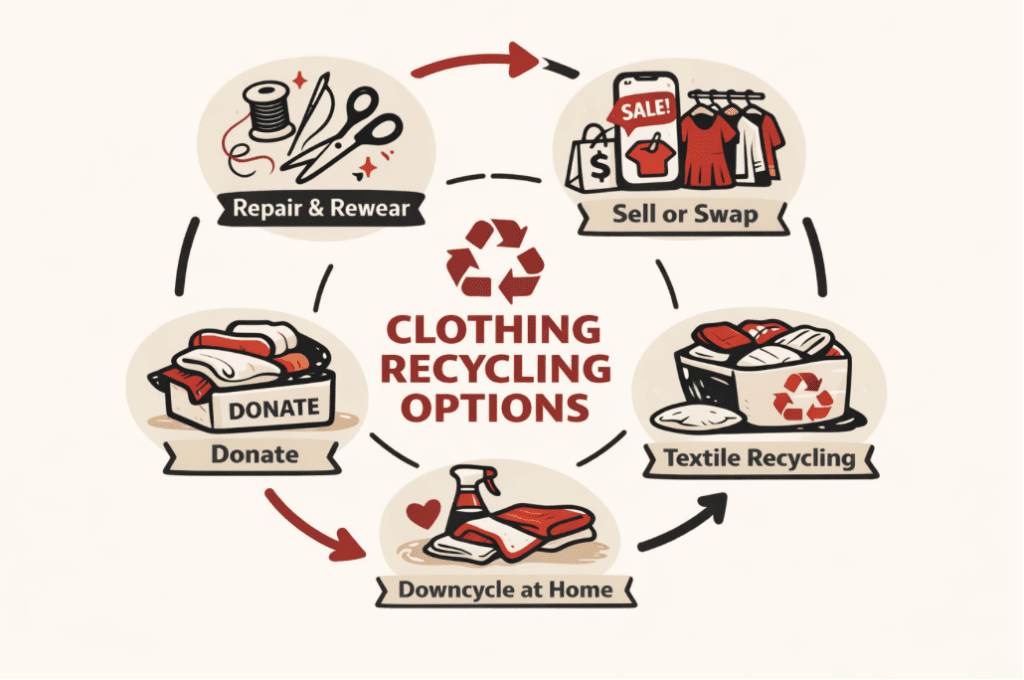
Better Alternatives to the Backyard Burial
- Repair or alter to extend wear (the biggest environmental impact comes from using clothes longer)
- Resell or swap through thrift stores, online resale platforms, or clothing swaps
- Donate thoughtfully (only wearable items; damaged clothing often can’t be resold)
- Brand take-back programs, when they clearly explain what happens to returned items
- Textile recycling, where available — with the understanding that it often downcycles fibers rather than creating new clothing
- Downcycle at home into cleaning rags, stuffing, or craft materials
None of these options are perfect, but keeping clothing in use longer is almost always better than relying on end-of-life solutions alone.
Why Brands Aren’t Always Clear About This
Compostability sounds like the ultimate sustainability win. It suggests a perfect circular system where clothing returns harmlessly to the earth. That’s a powerful marketing story, especially as consumers look for alternatives to landfill waste.
But the reality is that fashion systems are not aligned with composting infrastructure. There are very few textile-specific composting programs, and even fewer that consumers can access easily.
Without clearer standards and labeling, “compostable” can become just another feel-good word that shifts responsibility from brands to consumers.
What to Look for Instead
If a brand claims its clothing is compostable, ask:
- Is it home compostable or industrial only?
- Are dyes, threads, and finishes addressed?
- Is there third-party certification?
- Do they offer take-back or end-of-life guidance?
Certifications like Cradle to Cradle, OEKO-TEX, or clear life-cycle disclosures are better indicators than vague compost claims.
Why Composting Clothing Isn’t the Final Solution to Fashion Waste
The truth is, composting clothing is not a silver bullet for fashion waste. It’s one potential tool, but it doesn’t replace reducing overproduction, buying less, repairing more, or keeping clothes in use longer.
If this feels frustrating, that’s understandable. Sustainability is messy, and fashion often oversimplifies it. But understanding these nuances helps us make better choices and ask better questions.
Being skeptical of compostable clothing claims isn’t pessimistic. It’s informed.
And right now, informed consumers are one of the strongest forces pushing the fashion industry toward real, lasting change.
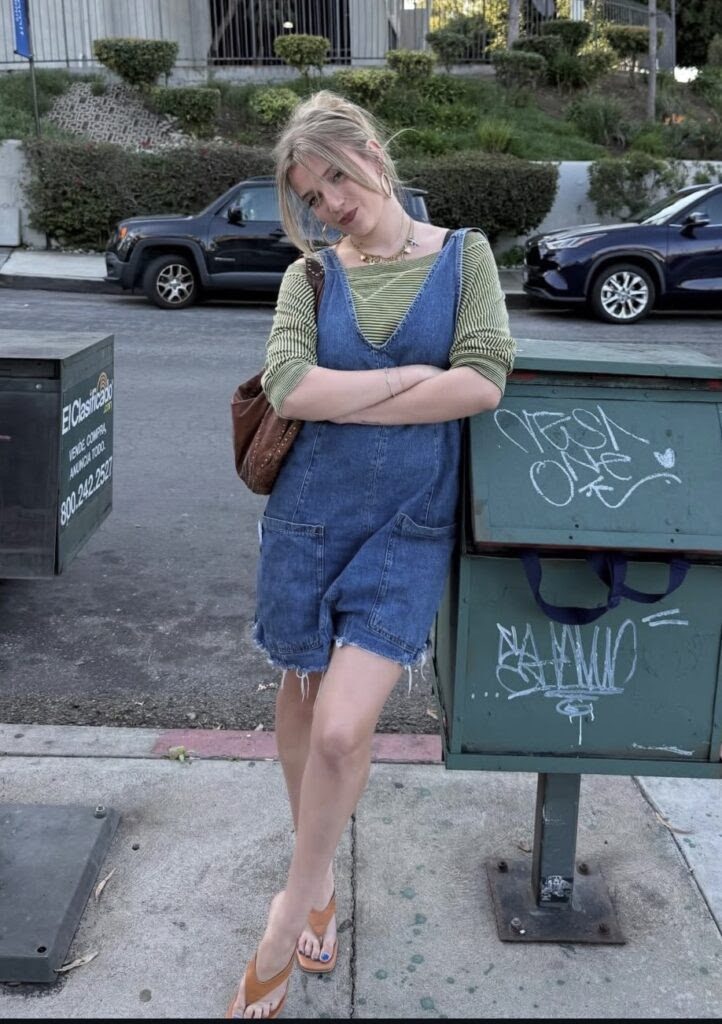
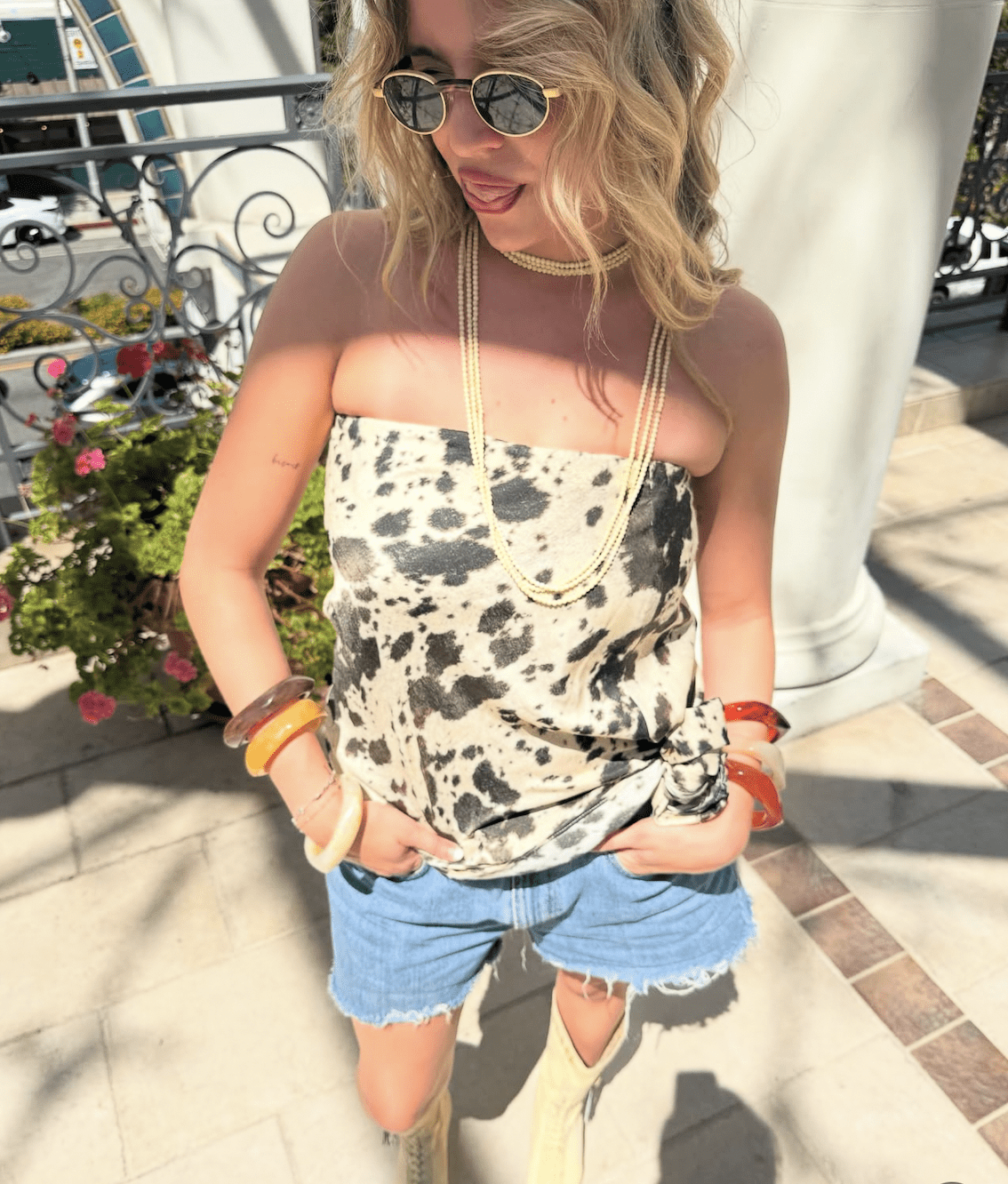
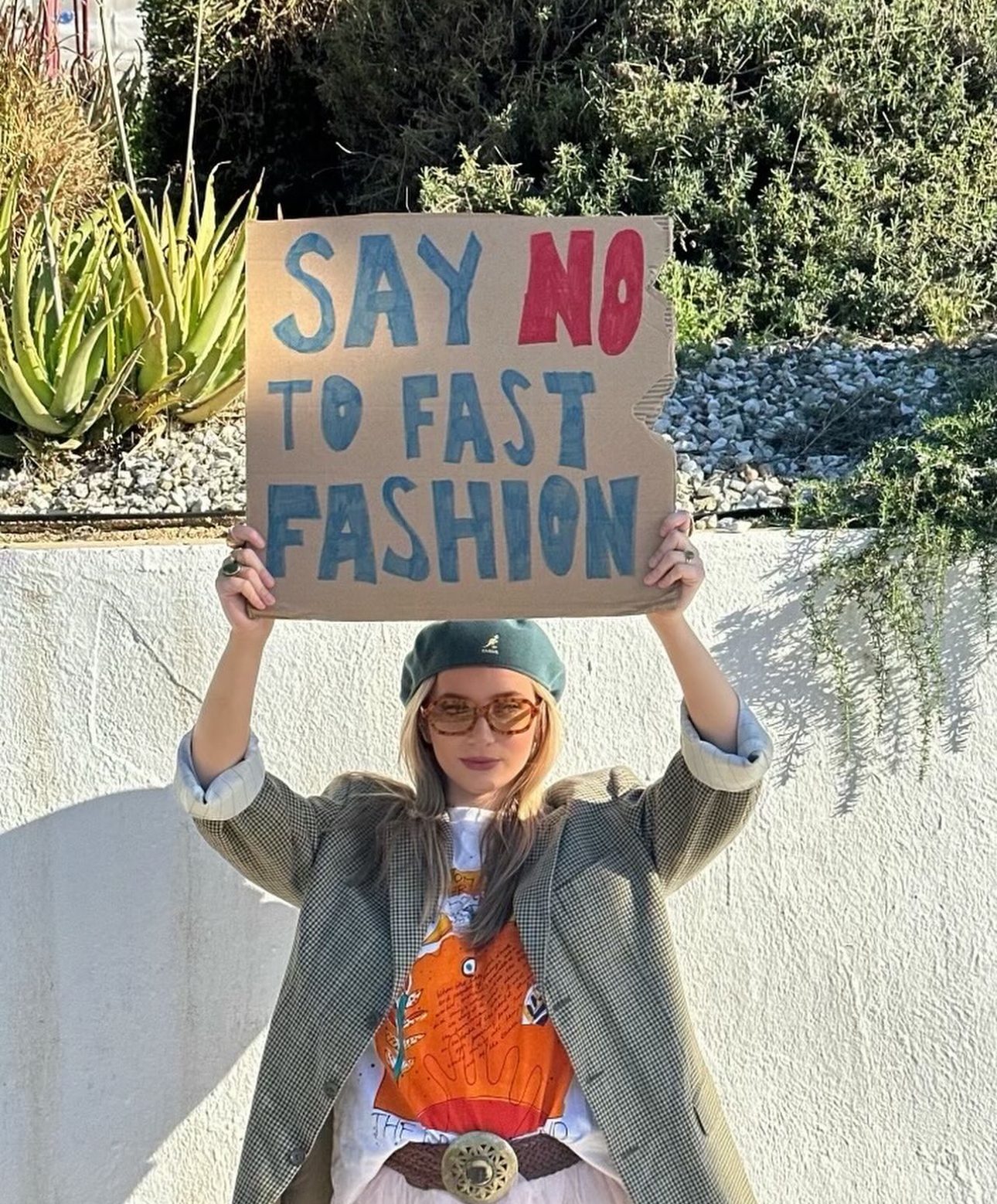
Lexy Silverstein in a Sustainable Outfit from Goodwilll, Thrifted purse from Los Feliz Flea Market
You can email me at LexySilverstein@gmail.com
Related Posts