
If you’ve ever tried to “get into sustainable fashion” and immediately felt like you needed a PhD, a personality transplant, and a brand-new wardrobe overnight, same. It’s a lot.
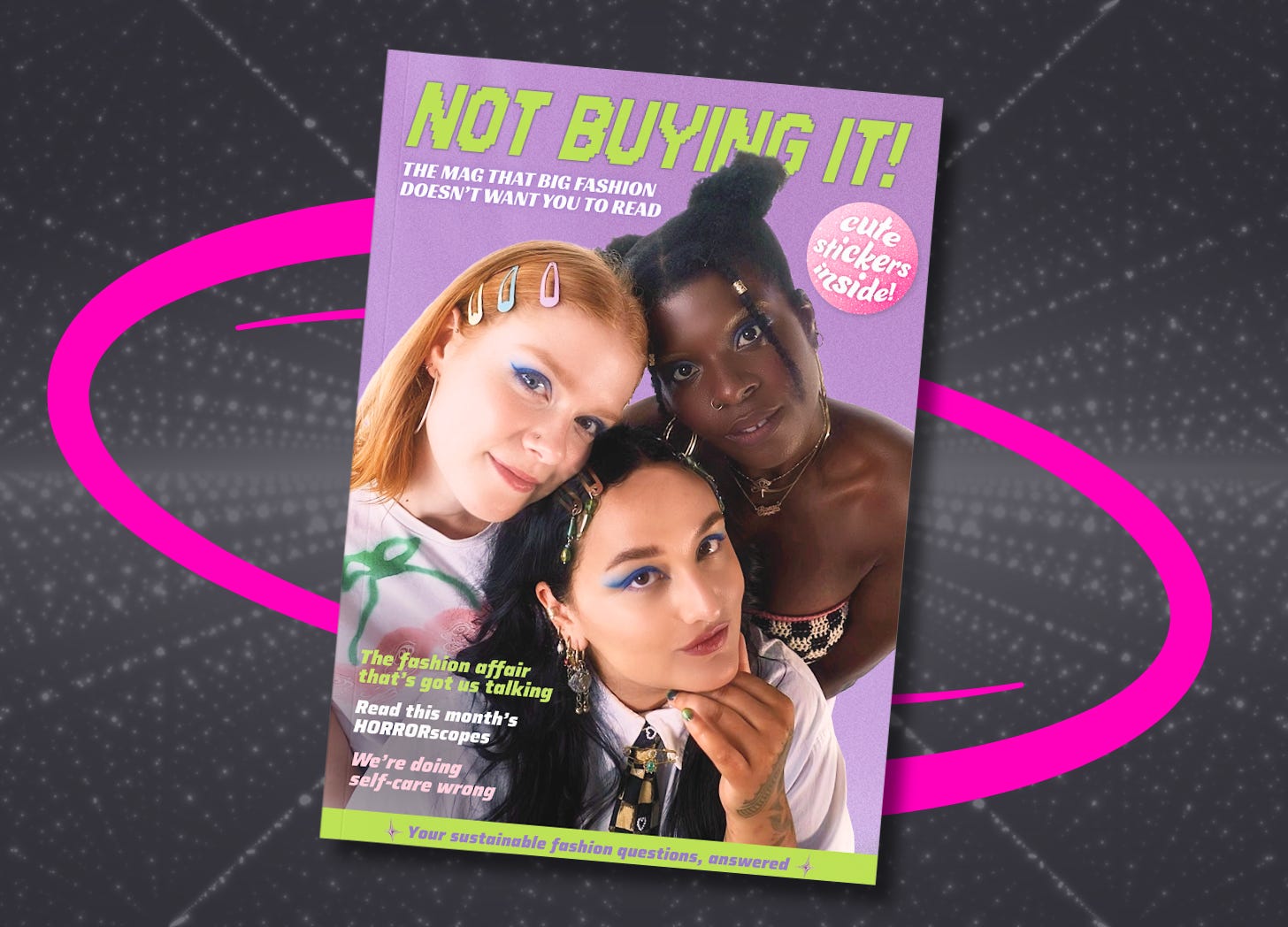
Which is why I’m genuinely obsessed with Not Buying It, a guide to fashion greenwashing disguised as an early 2000s magazine, created by co-editors Mel Watt and Yalda Keshavarzi.
It’s funny, it’s sharp, it’s nostalgic in the best way, and it’s also doing something that honestly feels rare right now, it’s making fashion justice feel accessible without watering it down.
Or as Mel put it, the goal is to reach people who care but are “disengaged” or “paralyzed by perfectionism,” and help them figure out where to start, without shame spiraling in the Zara checkout line.
They talk a lot about fashion justice, so what is that, exactly?
At its core, fashion justice is about fairness, who makes our clothes, how they’re treated, what the industry does to the planet, and who’s held accountable when harm is baked into the system. It’s not about being perfect or never shopping again, it’s about understanding the impact behind what we wear and having the tools to make better choices when we can.
A guide to greenwashing disguised as a 2000s magazine, yes, that’s the point
Mel explained that so much traditional activism can look like “protests, petitions, in-store actions,” and those absolutely matter. But she also said something that’s important to admit out loud, “the language and aesthetics of activism is not for everybody.”
And that’s not a diss, it’s reality.
Fashion justice doesn’t click for everyone through statistics or viral threads. Sometimes it starts with something familiar, something small, something that quietly makes you think, wait… I’ve never looked at it that way before.
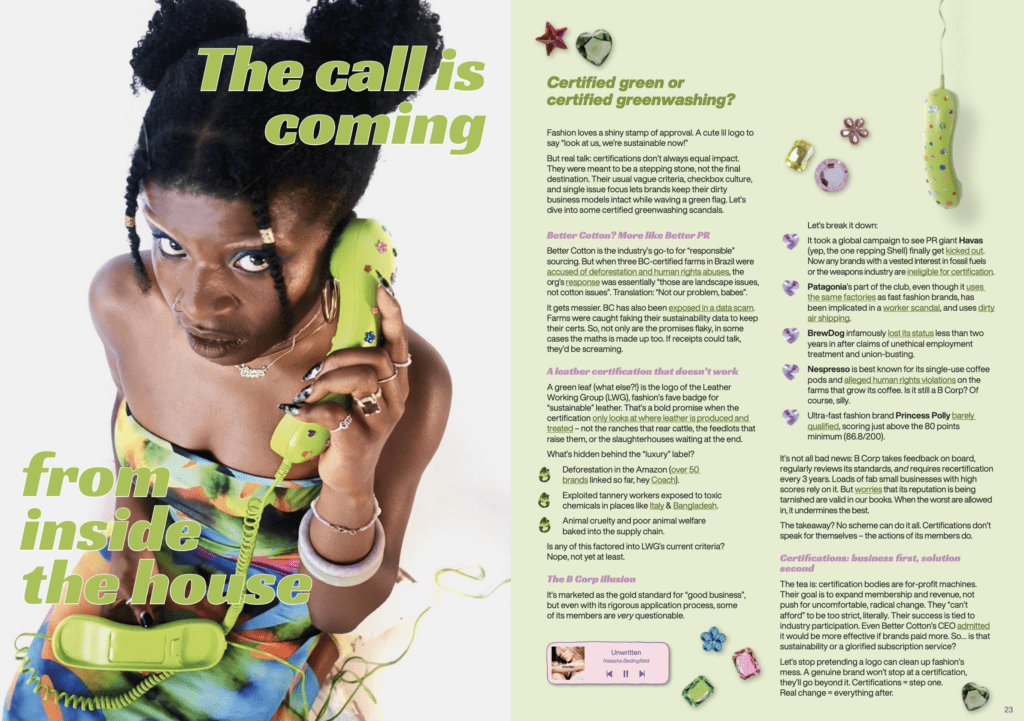
So they built Not Buying It around a format people already know: the nostalgic, chaotic joy of the magazines we grew up with. Mel and Yalda described it as going full throwback with “agony aunts, horoscopes, shady exes, quizzes,” basically everything you’d expect from a 90s/00s mag, just…pointed directly at big fashion.
And I love this part, Mel said they wanted the first half to expose the industry’s mess, but the second half to answer “what can we do about it?” Because it’s one thing to learn the truth. It’s another to not feel abandoned after you learn it.
“Meet people where they are” is not fluffy, it’s strategy
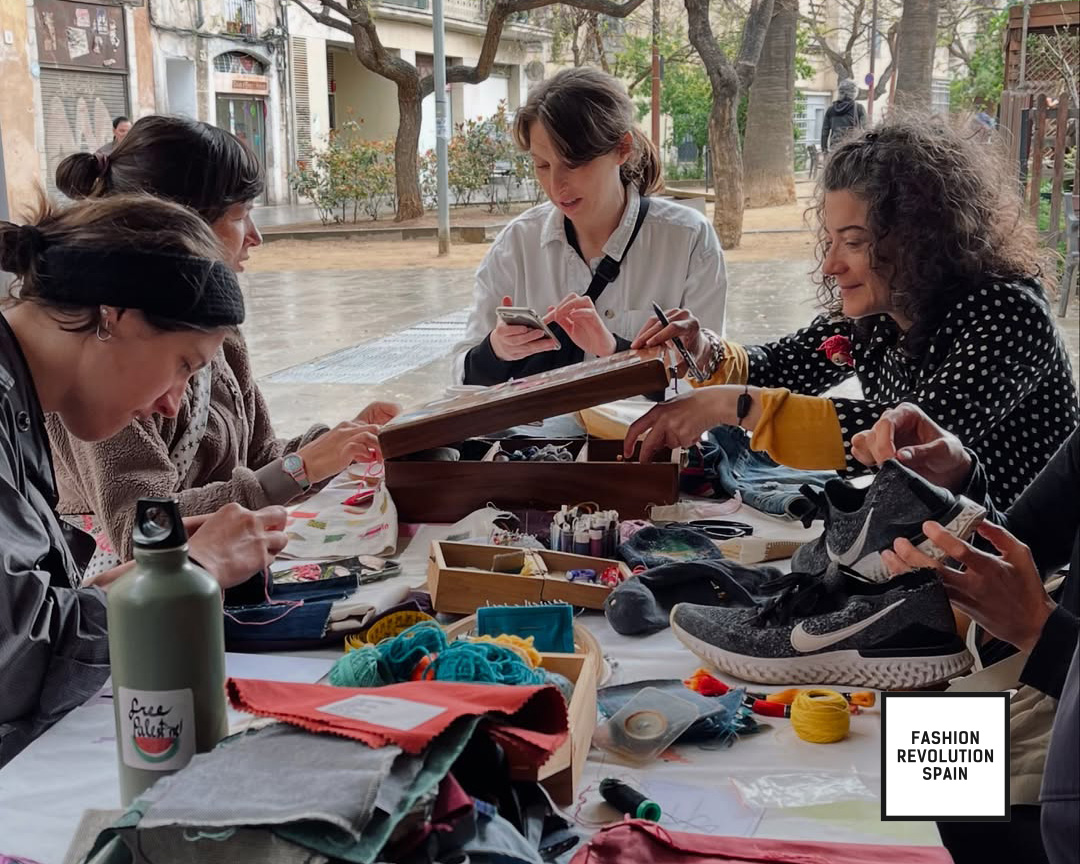
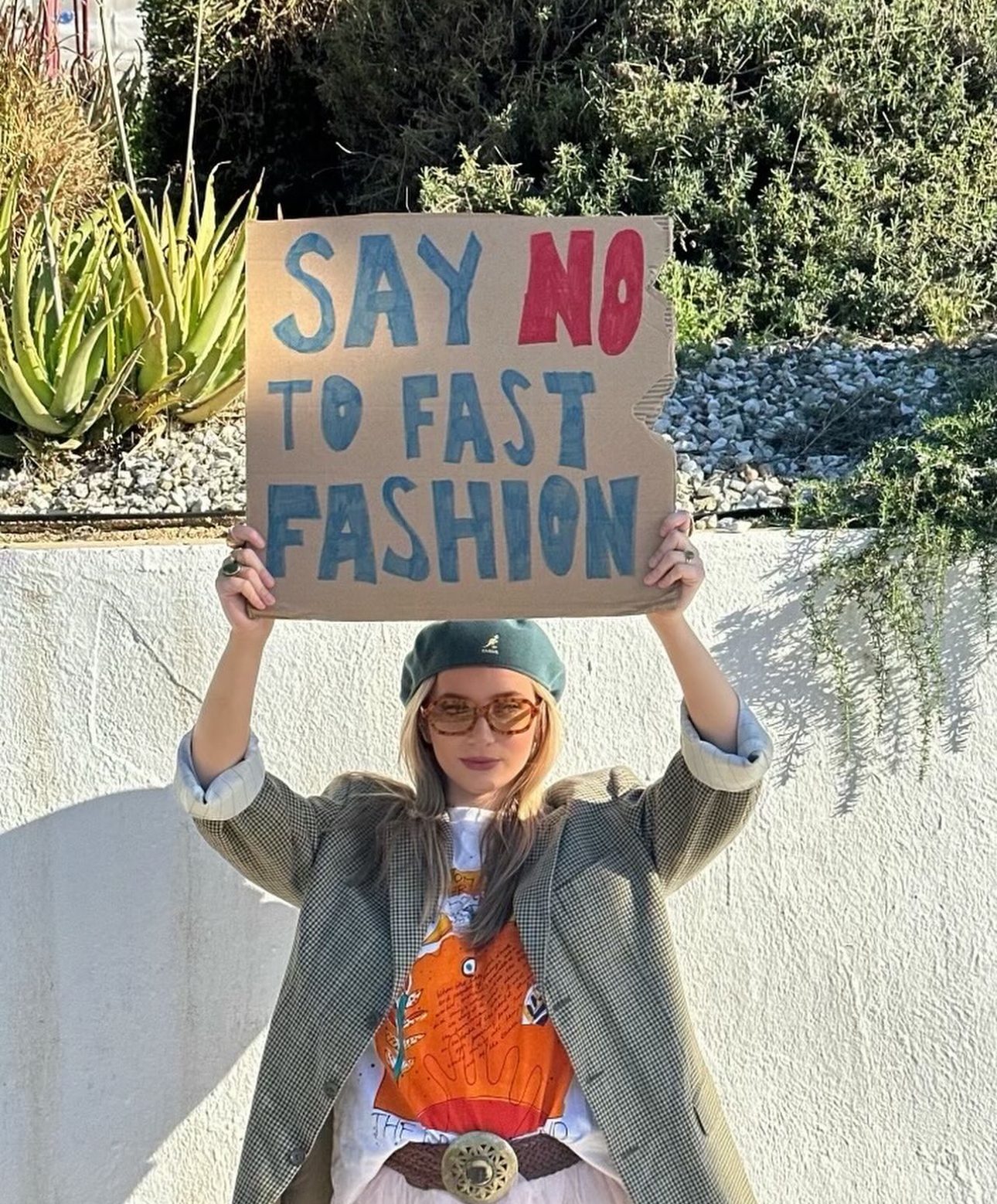
Mel shared a story from her time at Fashion Revolution, she helped co-create Mend in Public Day, where people stitched in public “in rebellion against disposable fashion.” And she admitted she initially worried it might be “too fluffy,” like, is this a big enough ask?
But she said she was “humbly proven wrong,” because it let her reach people she’d never reach online: “I spoke to more elderly men and young girls than I could ever reach online.”
That’s the thing. Sustainability isn’t just information, it’s connection. It’s language. It’s community. It’s making people feel like they belong in the conversation.
Yalda reinforced this from another angle, saying the whole point was “targeting people that were new to the sector and doing it in a really accessible way,” but without “oversimplifying” or speaking down to people.
And honestly, this is the exact sweet spot. Because nothing makes someone shut down faster than being made to feel stupid.
The big myth they want to break: “If it’s expensive, it must be ethical”
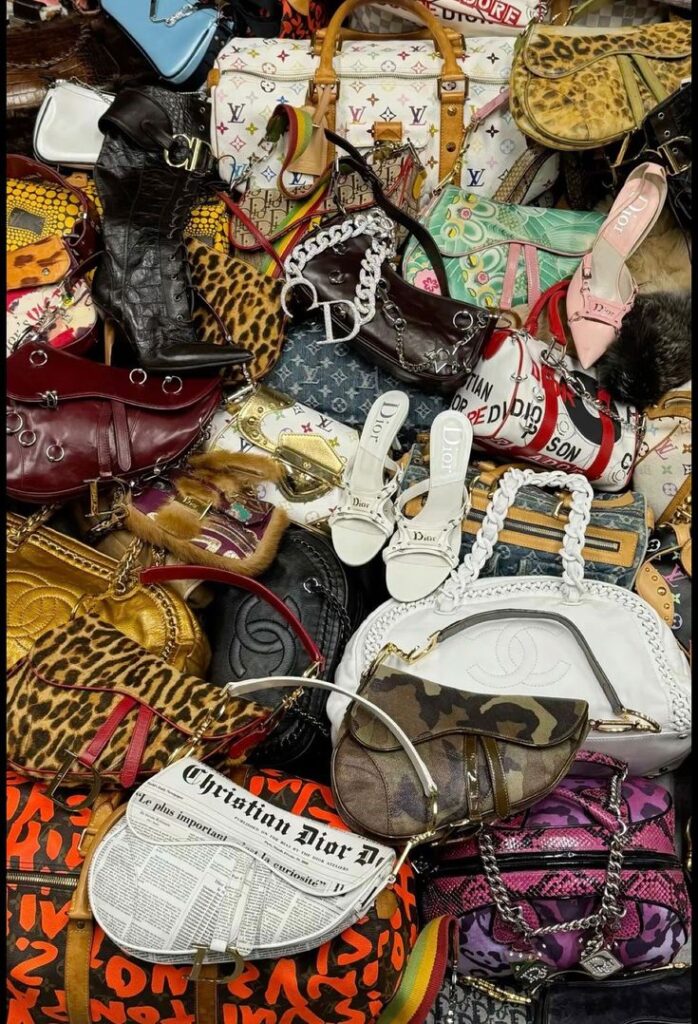
If I had a dollar for every time someone said “well it’s designer so it’s fine,” I could afford the designer item, which would still not guarantee it’s fine.
Yalda called out one of the most frustrating myths: “this myth that a higher price means higher standards.”
She said luxury brands have been able to build this story where they’re separate from fast fashion, when in reality they can share harmful practices, and luxury uses fast fashion as the scapegoat.
And she said something that really matters here: “If you are buying something new, your best bet is buying from an individual or a super small company.” Not because every small brand is perfect, but because the smaller the chain, the clearer it is to see what’s actually happening.
So… what is greenwashing, in normal-person language?
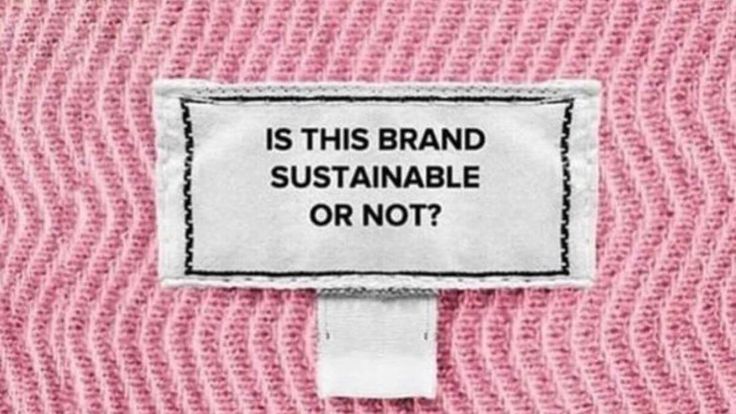
Yalda summed it up in a way that’s very “send this to your group chat”:
“Greenwashing basically, in the most simple term, is a company making themselves sound better, more environmental, more socially aware than they actually are as a ploy to make you engage with their brand and buy from them.”
Mel added one of my favorite metaphors ever, “greenwashing is essentially the eco version of catfishing.” She compared it to swiping right on a brand that claims it’s ethical and planet-friendly, then realizing the supply chain is “hugely ugly” and nothing like the image you were sold.
That’s why greenwashing is so dangerous. It doesn’t just confuse people, it distracts us from the real damage, and it wastes our energy on vibes instead of outcomes.
Why “Not Buying It” is such a perfect name
This isn’t just about not buying stuff.
Mel explained that the title was meant to tap into “de-influencing and underconsumption-core zeitgeists,” but expand the meaning beyond your cart.
Not buying it also means refusing to buy into the bigger myths, “greenwashing, media glazing brands, individualism, neoliberalism, waste, colonialism.”
In other words, we’re not just skipping the trendy thing. We’re questioning the whole system that tells us the trendy thing is the solution.
Yalda put it really clearly too, saying it speaks to individuals and brands, and it challenges the idea that “developing a moral position on something in your head is the same thing as taking real action.”
That line. Because yeah. Posting a black square never ended exploitation.
The “dupe” problem, and why language matters more than we think

They also talked about dupes, and how dupe culture fuels overconsumption and design theft.
Yalda made the distinction that more people need to hear: “there is a difference between an alternative and a dupe.”
And Mel had a language point that I keep thinking about because it’s so true, she doesn’t like the word “dupe” because it makes it sound cute, like a harmless little hack. She’s like… why did we start calling it what it is?
“Whatever happened to counterfeit or ripoff or knockoff?”
Exactly. If you make it sound adorable, it becomes easier to normalize.
The advice I want you to actually take, if you’re just starting
This is where the conversation got really grounding, because neither of them was pushing the idea that you have to shop your way into sustainability.
Mel said her top tip is to “shed the label that you’re a consumer,” because it’s reductive and it shrinks your power. She said something I want framed on a wall:
“Buying is a very small, insignificant part of it, and I don’t think it’s completely where our power lies.”
Then she pointed out what garment workers themselves often say through groups like the Clean Clothes Campaign: they want support for campaigns, accountability, systemic pressure, not just individual shopping decisions.
Yalda echoed that and added something that is painfully real, “give yourself grace because you are mentally up against millions, billions… of marketing budgets” designed to influence you.
And honestly, if you’ve ever felt like you’re failing at sustainability because you bought one random thing you didn’t need, remember: you’re not weak. You’re just living inside a machine built to make you want more.
The takeaway: sustainability isn’t a personality, it’s a practice
This is what I loved most about talking to Mel and Yalda, there’s no moral superiority, no “if you’re not doing X you’re the problem.”
It’s the opposite.
It’s: you’re allowed to be at the beginning. You’re allowed to be confused. You’re allowed to have made mistakes. They literally have a page called “I Fell for Greenwashing, and all I got was this…” because the point is to normalize learning and evolving, not pretending you were born knowing the supply chain of every T-shirt you’ve ever owned.
And if you want to do something today, like, a real step that won’t overwhelm you, start here:
- buy less (yes, even one less thing counts)
- repair what you have (tailor, shoe repair, patch the hole, give your clothes a second life)
- thrift or swap when you can
- don’t let certifications do your thinking for you
- find community offline, it keeps you motivated, not spiraling
Or as Mel said, “small steps matter, so take one at a time.”
Where to find Not Buying It
Mel shared that if you’re in the UK you can get physical copies, and there’s also a free digital version.
- Website: notbuyingit.co.uk
- Instagram: @notbuyingitmag
- Mel: @_malt
- Yalda: @yakesh
And if you’re here for “fashion that gives a damn,” you already know where to find me.
Because yes, we’re going to live a good life.
And we’re going to look fucking good doing it.

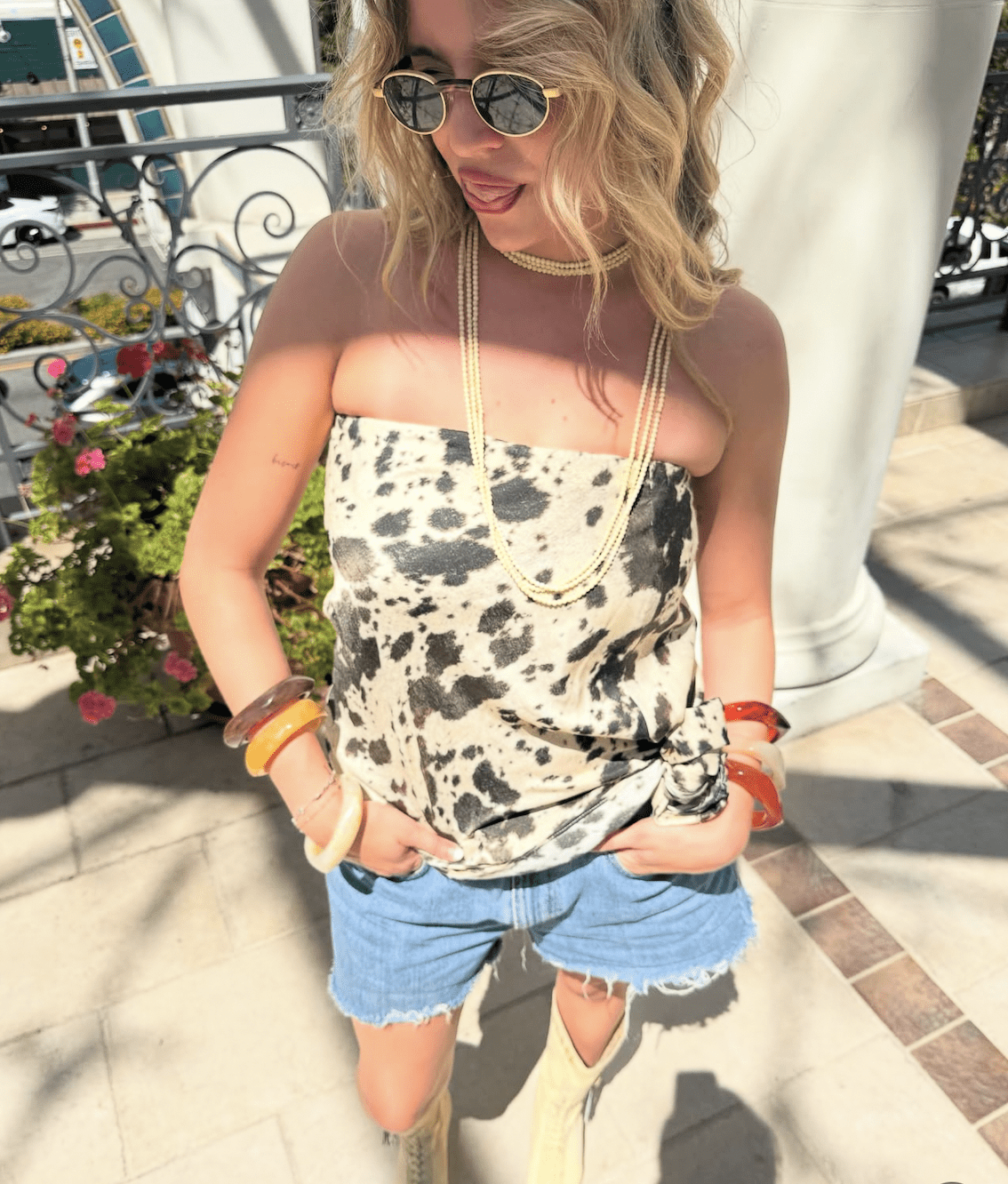
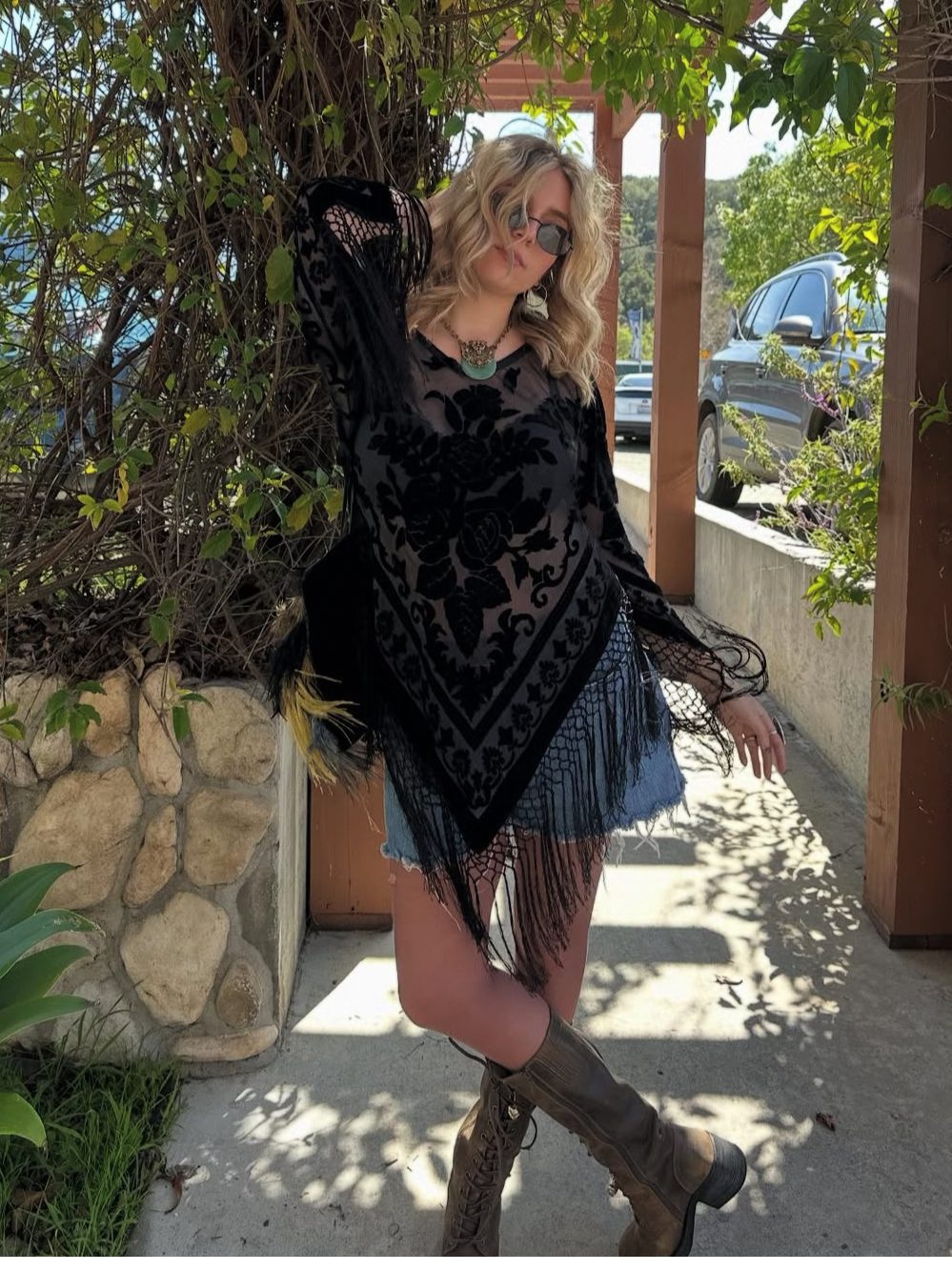
Lexy Silverstein in a Sustainable Outfit from Goodwilll, Thrifted purse from Los Feliz Flea Market
You can email me at LexySilverstein@gmail.com
Related Posts