
People talk a lot about “sustainable leather,” but most of what ends up in stores today is either animal leather with a massive footprint or “vegan leather” that is really just plastic with a prettier name.
And that leaves a real question hanging in the air.
Is there actually a version of leather that does not harm animals, devastate ecosystems, or sneak fossil fuel plastics into our closets?
For years we have been stuck choosing between two broken options.
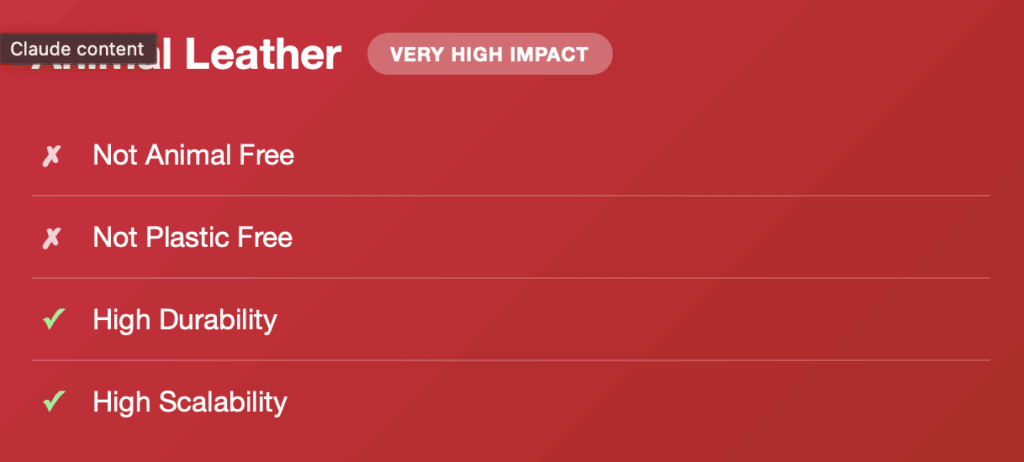
- Animal leather, with its enormous environmental impact
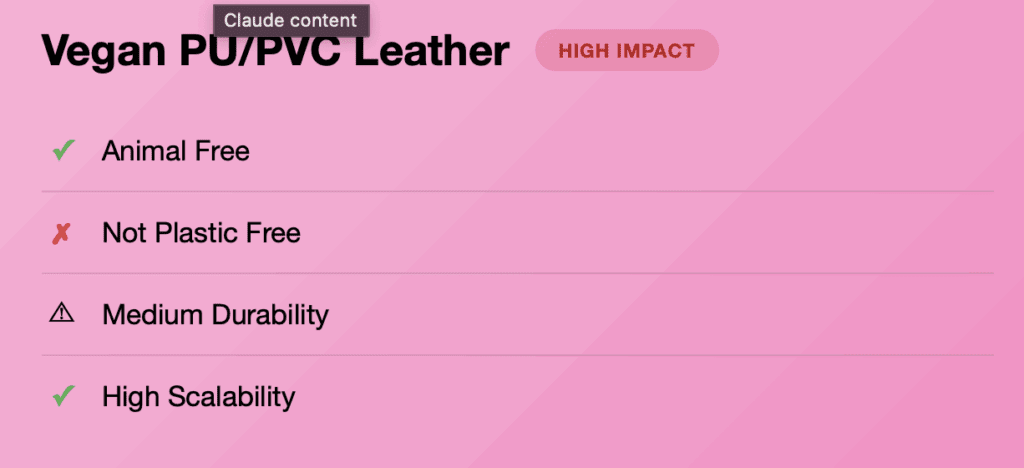
- “Vegan” leather, which is usually polyurethane or PVC
Neither option feels great if you care about sustainability and want your wardrobe to reflect your values without giving up style.
That is why cactus leather has become such a major focus, not because it is a trend but because it solves real problems the fashion industry has ignored for decades.
Cactus leather comes from the same prickly plant that thrives on sun, stress, and being ignored more than any houseplant deserves. Designers are now turning it into one of the most promising materials in sustainable fashion, and unlike many so called eco friendly alternatives, this one actually delivers.
It is soft, durable, biodegradable leaning, and does not rely on toxic chemicals or petroleum. It uses a fraction of the water required for other materials, regenerates quickly, and does not require harming a single animal. It also avoids the plastic problem that has turned most vegan leather into a fossil fuel product wearing a moral badge it did not earn.
Cactus leather represents something fashion desperately needs right now. It proves we can create materials that protect the planet, feel good, look good, and do not ask us to compromise on quality or ethics.
So how does it work, and how does it compare to the other next generation materials competing for the future of leather?
How Cactus Leather Is Made
Cactus leather usually comes from the nopal cactus. Farmers cut mature pads, let the plant keep growing, and then clean, mash, and sun dry the material until it forms a fiber rich base. That base is blended with natural binders, pressed into sheets, and finished until it feels and behaves like leather.
A few key things set this process apart.
The cactus keeps growing. No replanting. No irrigation systems. Just rainwater and sunlight.
There is no toxic tannery system. Animal leather relies on chromium tanning, one of the most polluting processes in the entire fashion industry. Cactus leather avoids it completely.
The carbon footprint is incredibly low. Cactus plants naturally absorb carbon and can grow on land that cannot support other crops.
It is one of the few materials where “low impact” is not a marketing claim. It is simply how the plant works.
Cactus Leather vs Animal Leather
Animal leather is one of the highest impact materials in fashion. The livestock industry drives deforestation, methane emissions, water waste, and chemical pollution. Even supporters of leather cannot argue with the data.
Animal leather also requires huge grazing areas, enormous quantities of feed, tanning chemicals that contaminate water, and heavy dyes and treatments that create toxic waste.
Cactus leather avoids all of this because it does not depend on animals, feed, land clearing, or tanning chemicals. It delivers the familiar premium feeling of leather without the environmental burden.
Cactus Leather vs Vegan Leather
Most vegan leather today is not sustainable at all. It is plastic. Usually polyurethane or PVC, both made from petroleum.
These materials crack, peel, release microplastics, and never biodegrade. They carry the word “vegan,” but environmentally they behave more like plastic raincoats than ethical materials.
Cactus leather avoids fossil fuel sourcing, plasticizers, microplastic shedding, and most end of life waste. This is why many sustainability experts believe it may be the first leather alternative that makes sense environmentally, ethically, and practically.
How Cactus Leather Compares to Other Next Generation Leathers
Cactus leather is not the only plant based alternative gaining attention. The industry is also exploring mushrooms, apples, pineapple leaves, grapes, mangoes, and even algae. Some are already in stores. Some are still experimental.
Here is where the biggest contenders stand.
Mushroom Leather (Mycelium)
Mushroom leather is grown from mycelium, the root structure of fungi. It is biomaterial at its best, and luxury brands love it.
Pros
- Very low resource use
- Fully biodegradable
- Already used by Hermès and Stella McCartney
- Can be grown to specific thickness
Cons
- Still expensive
- Limited production scale
- Mostly available to luxury houses
The takeaway: Incredible potential, but it is not yet ready to scale beyond high fashion.
Apple Leather
Apple leather is made from leftover apple skins and pomace from juice production. It is common in European accessories.
Pros
- Uses food waste
- Lower resource use than synthetic leather
- Soft and flexible
Cons
- Usually blended with polyurethane
- Not as durable as cactus or mushroom leather
- Limited structure
The takeaway: A step forward, but rarely plastic free.
Pineapple Leather (Piñatex)
Made from pineapple leaf fibers, Piñatex was one of the earliest plant based leathers to reach the mainstream.
Pros
- Uses agricultural waste
- Lightweight and breathable
- High name recognition
Cons
- Often backed with petroleum based PU
- More textile like than leather like
- Fewer finish options
The takeaway: Great for certain items, but not a universal leather replacement.
So Where Does Cactus Leather Stand Among These?
Cactus leather hits a sweet spot. It is more scalable than mushroom leather, more durable than apple leather, and more leather-like than pineapple leather. It can be produced with minimal synthetic binders and requires almost no water, chemicals, or land.
In other words, cactus leather is not the only option, but it may be the most realistic, stable, and scalable solution we have right now.
Who is Using Cactus Leather Now?
Cactus leather is still emerging, but more brands are adopting it every year. It already shows up in:
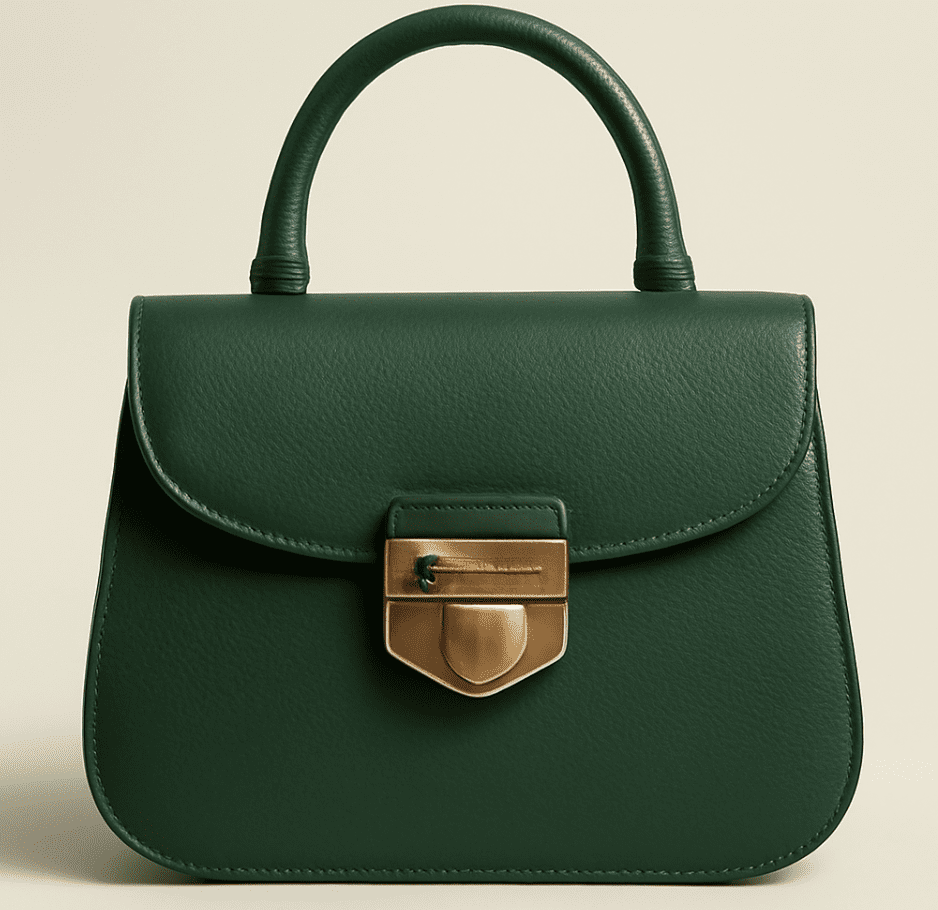
- luxury handbags
- sneakers
- jackets
- belts and wallets
- automotive prototypes
- cruelty free accessories
Brands currently using or experimenting with cactus leather include Karl Lagerfeld, Fossil, CLAE, Santos by Mónica, Frida Rome, Allégorie, and Deadwood.
The Greenwashing Problem in Cactus Leather
As cactus leather gains popularity in the sustainable fashion world, it’s crucial for consumers to be aware of the growing greenwashing issue associated with the material. Greenwashing occurs when companies market a product as environmentally friendly or sustainable, even if it doesn’t meet those standards in practice. With cactus leather, this problem is particularly prevalent as some brands have started blending cactus fibers with synthetic materials, such as polyurethane (PU) or PVC. While these alternatives might initially seem like a “better” option compared to traditional leather or plastic, the addition of these materials undermines the very sustainability cactus leather promises.
What is Greenwashing?
Greenwashing is when brands make misleading claims about their products to appeal to environmentally-conscious consumers. Essentially, it’s a form of “false advertising” designed to make consumers think they’re purchasing something more eco-friendly than it actually is.
How Greenwashing Undermines Sustainability Claims
- False Sense of Sustainability: When cactus leather is blended with synthetic plastics, it gives the illusion of sustainability without delivering the full benefits. These products often carry the label of being “eco-friendly” or “sustainable” but fail to live up to those claims, ultimately contributing to the growing plastic waste problem. Consumers who are trying to make more sustainable purchasing choices might unknowingly contribute to more pollution by supporting products that aren’t truly green.
- Dilution of Cactus Leather’s Environmental Benefits: Cactus leather, when used in its purest form, is an incredibly low-impact material that is biodegradable, does not rely on toxic tanning chemicals, and uses minimal water. However, when synthetic plastics are added, it compromises the overall sustainability of the product. These synthetic materials require harmful chemical processes to produce, and they don’t break down naturally in the environment like cactus leather does.
- Misleading Marketing: Some brands may advertise products as 100% cactus leather, but in reality, only a small percentage of the product is made from cactus fibers. The rest might be synthetic or even petroleum-based. This creates confusion for consumers, making it hard to distinguish between truly sustainable products and those that merely capitalize on the eco-friendly trend without delivering on their promises.
How to Avoid Greenwashed Cactus Leather
- Demand Transparency: Always ask questions about the material breakdown. A brand that uses 100% cactus leather should have no problem disclosing how much cactus is in the product and where the material comes from.
- Look for Clear Labels: Check for product labels or certifications that confirm the item is genuinely eco-friendly, such as certifications for plant-based materials or sustainable sourcing practices.
- Beware of Blended Materials: While some hybrid materials might seem like an affordable alternative, they often don’t live up to the sustainability standards set by pure cactus leather. Look for products that are free from polyurethane (PU), PVC, or other plastics. If the material contains more than 10% plastic, it’s not really a sustainable option.
What You Can Do
Ask for More from Brands: Consumers are the driving force behind the growth of sustainable fashion. If you’re unsure about a product’s sustainability, don’t hesitate to reach out to the brand and ask for more information about the material breakdown and sourcing practices. Transparency in sourcing and manufacturing is key to ensuring products live up to their eco-friendly claims.
Support Brands with Full Transparency: Opt for companies that are committed to using cactus leather in its purest form. Brands that disclose their sourcing, production methods, and material content are more likely to be genuinely sustainable and honest in their claims.
Do Your Research: Before purchasing, make sure the brand is clear about how much cactus leather is used in the product. Be wary of vague terms like “eco-friendly” or “green,” as these are often used to obscure the true environmental impact of the product.
How Close are We to Cactus Leather Becoming Mainstream?
Much closer than people think, but not fully there yet.
Production is growing. Quality is improving. Designers want it. Consumers are asking for it. The only thing slowing progress is scale. The material works. The demand is real. The infrastructure is not fully built yet.
If investment continues, cactus leather could become a widely available sustainable alternative within the next five to seven years.
In fashion terms, that is basically tomorrow.
Cactus leather proves something powerful. Sustainable innovation is not only possible, it is already happening. When fashion chooses materials like this instead of plastic disguised as ethics, the future of responsible style gets a whole lot closer.
You can email me at LexySilverstein@gmail.com